CONCRETE CANCER EXPLAINED
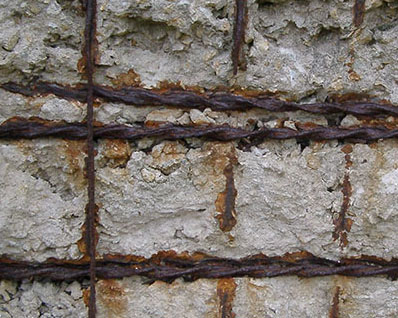
Concrete cancer is when the reinforcing steel within concrete begins to oxidise (rust) and expand. This has two dangerous effects: first, it eats away at the structural reinforcement, leaving the concrete with little internal strength. Second, it expands to the point where the binding within the concrete gives way — leading to the tell-tale cracks, chips and spalling you see on the surface.
The rust works silently beneath the surface, meaning a small visible area on the surface may indicate a far greater problem underneath. By the time you can see symptoms, the damage is almost always more extensive than it appears.
Critically, sealing in rust is not a solution. If an inexperienced team treats the surface issues and seals in oxidising steel, the problem has not been treated and will continue to deteriorate — often faster than before because moisture is now trapped.