Case Study · Residential Balcony

BALCONY
REPAIR

How a small patch job became a major structural repair — and how we fixed it properly on the Sunshine Coast.

The job was originally handled by a maintenance/painting specialist and then when the symptoms re-emerged 12 months later, Suncoast Concrete Repairs was commissioned to repair the concrete cancer properly. This case study illustrates perfectly the issues with repairing concrete incorrectly — and what it takes to do it right.

Key Lesson

When a problem is identified but not repaired properly the first time, the concrete cancer is sealed inside the repair job and over subsequent months gets progressively worse. Make sure you get the job done right the first time by a fully licensed and qualified specialist.

Phase 1
The Symptoms

By the time symptoms are appearing on the surface, it indicates that there is much deeper damage underneath.
Paint bubbling
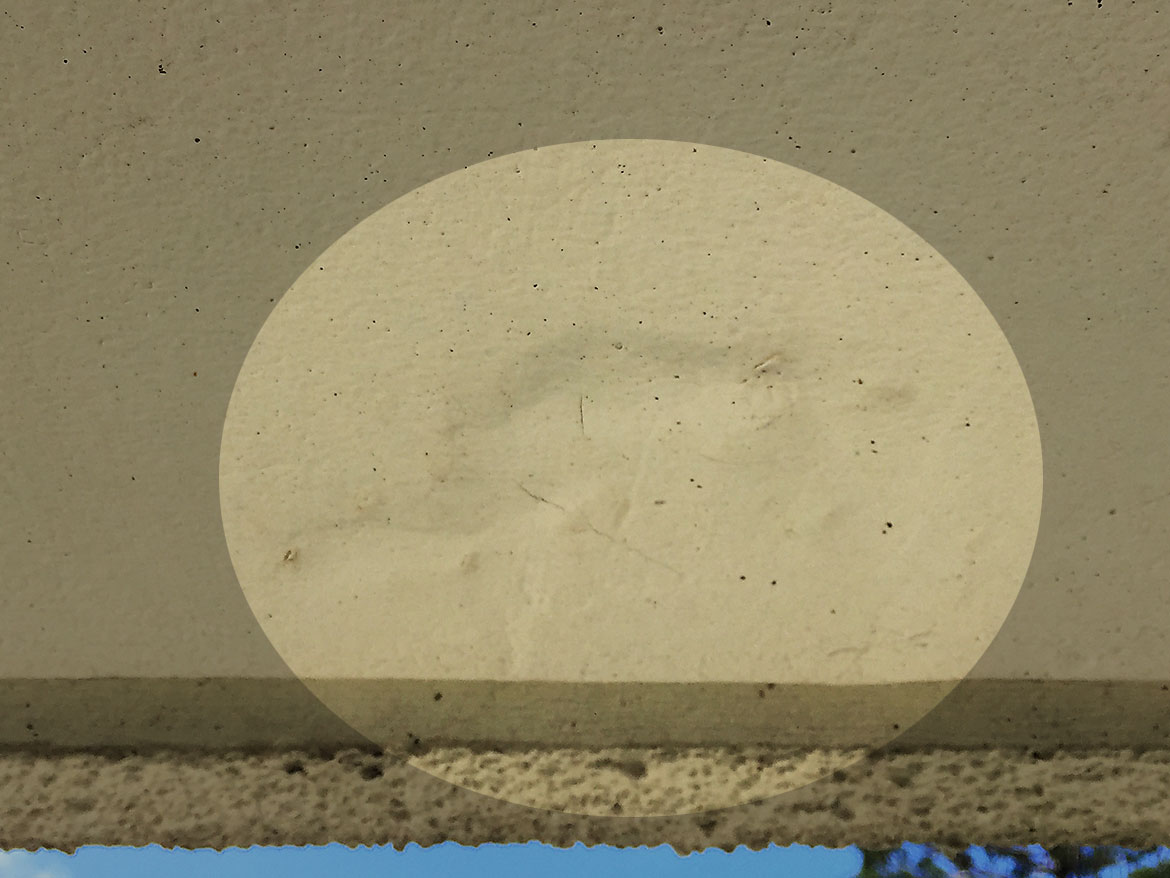
Light bubbling of repaired paintwork — indicating unwanted expansion within the concrete caused by rust
Spalling under balcony
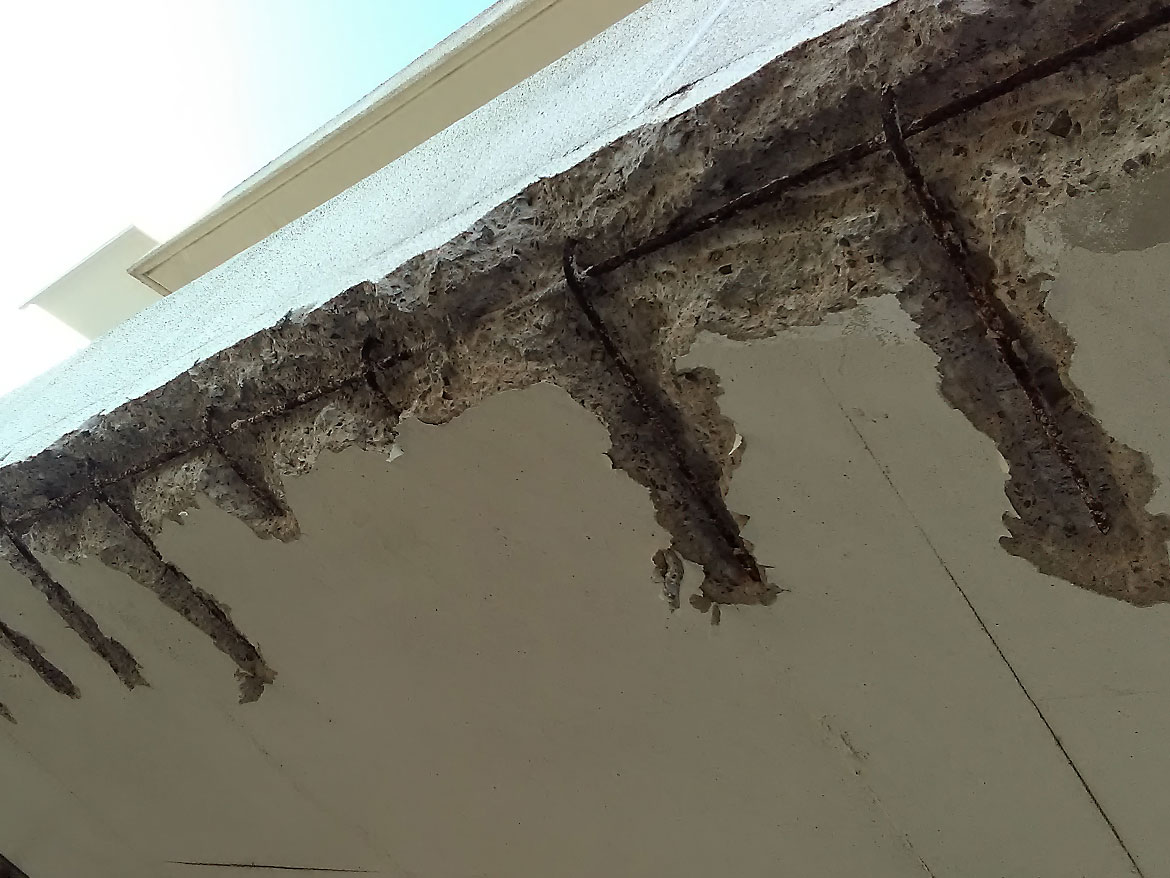
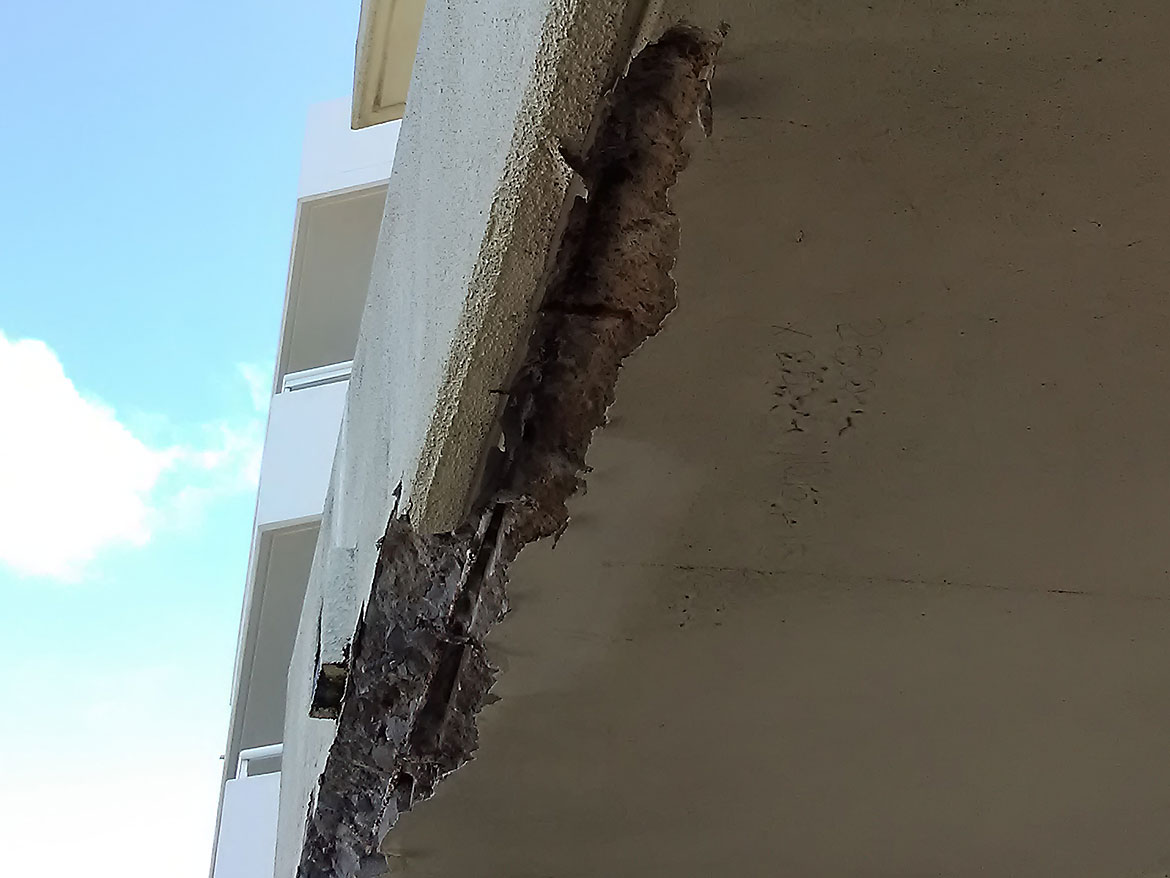
Spalling underneath the balcony — reinforcement had deteriorated to the point of blowing out large chunks held only by paintwork
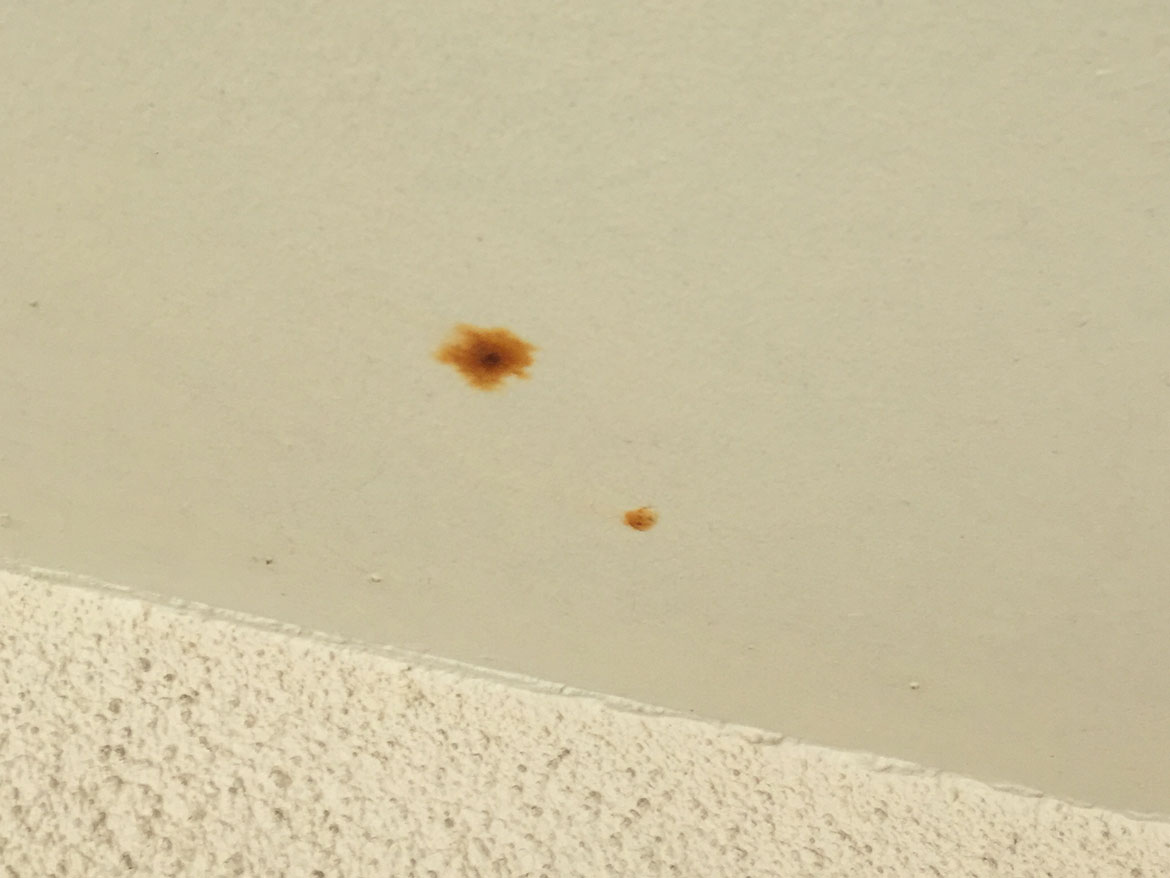
Rust spots
Rust leaching through small holes in the paintwork — tell-tale signs of larger problems
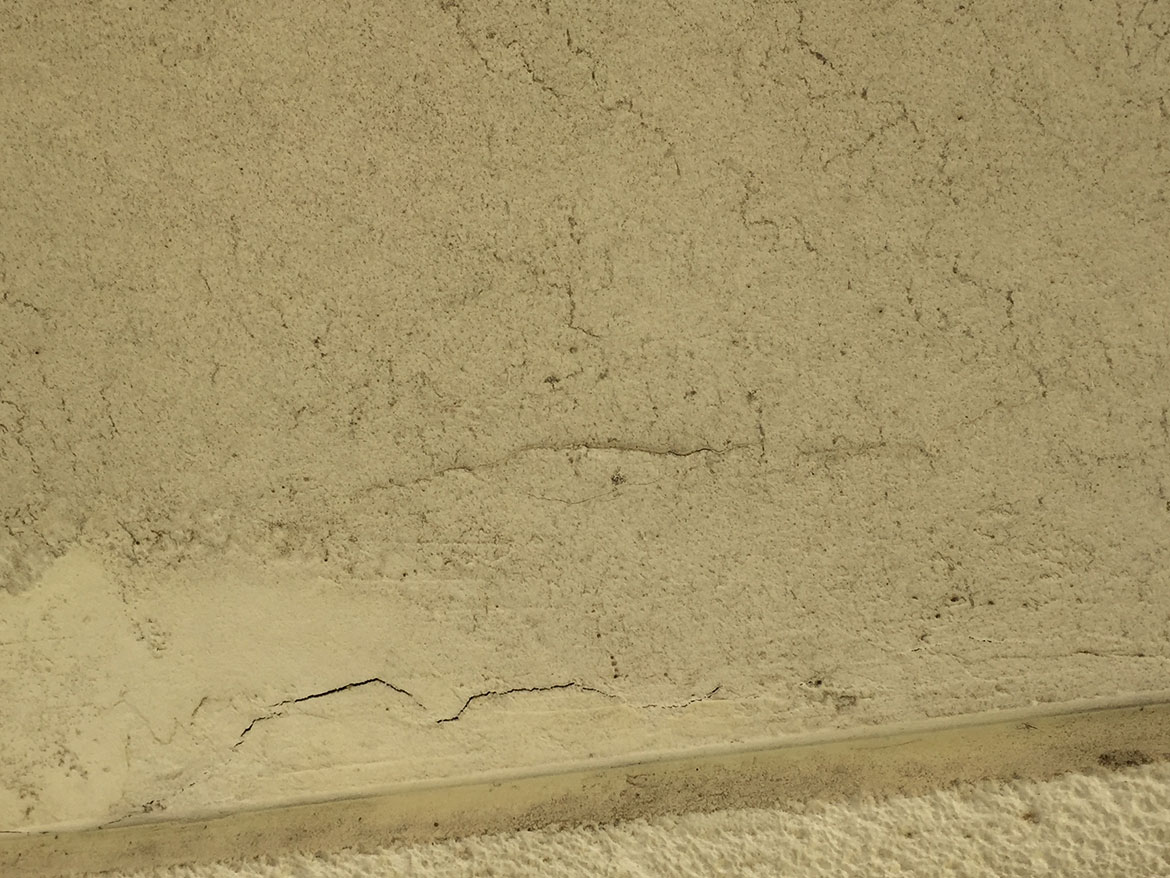
Cracks and water damage
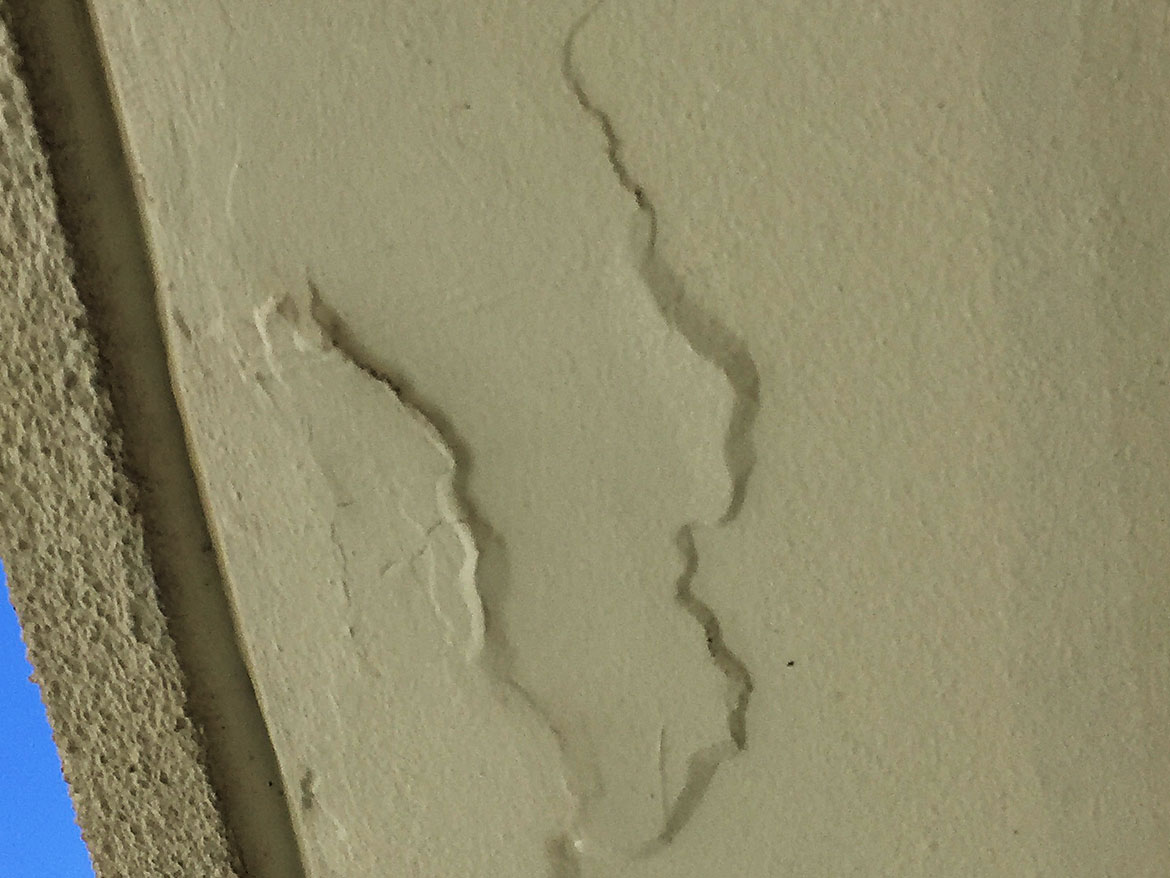
Cracks and water damage coming from under the balcony — signs of previous repair failing
Phase 2
Initial Exploration

50mm of rust-free steel must be exposed before the full extent can be evaluated. The surface signs never tell the full story.
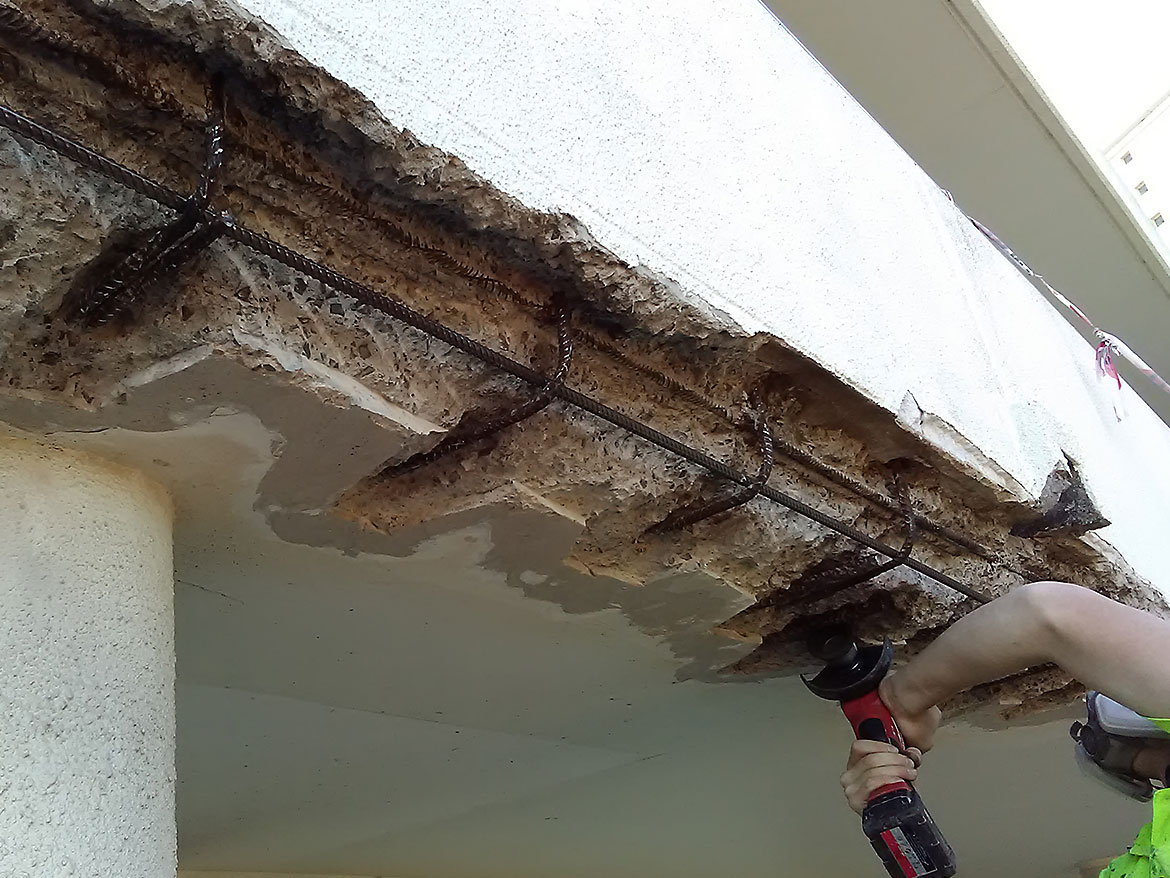
Jack hammering
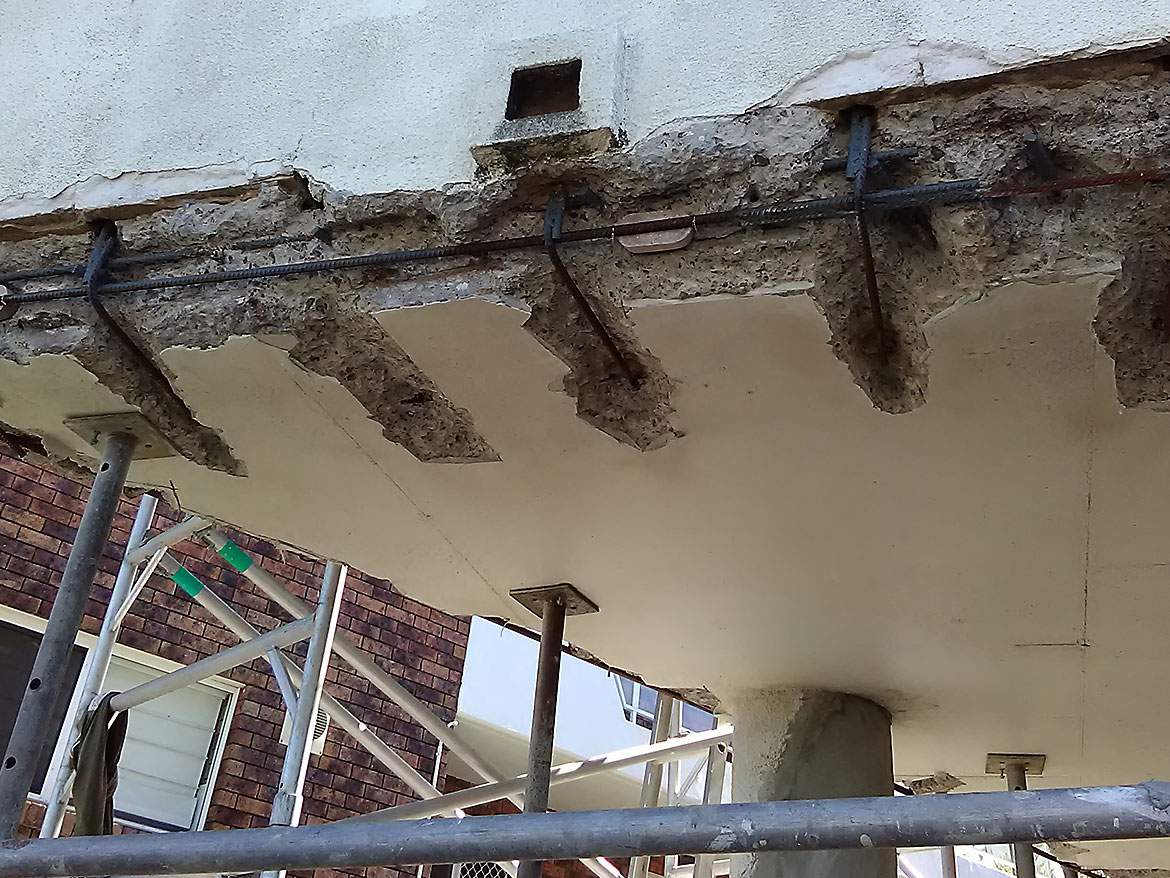
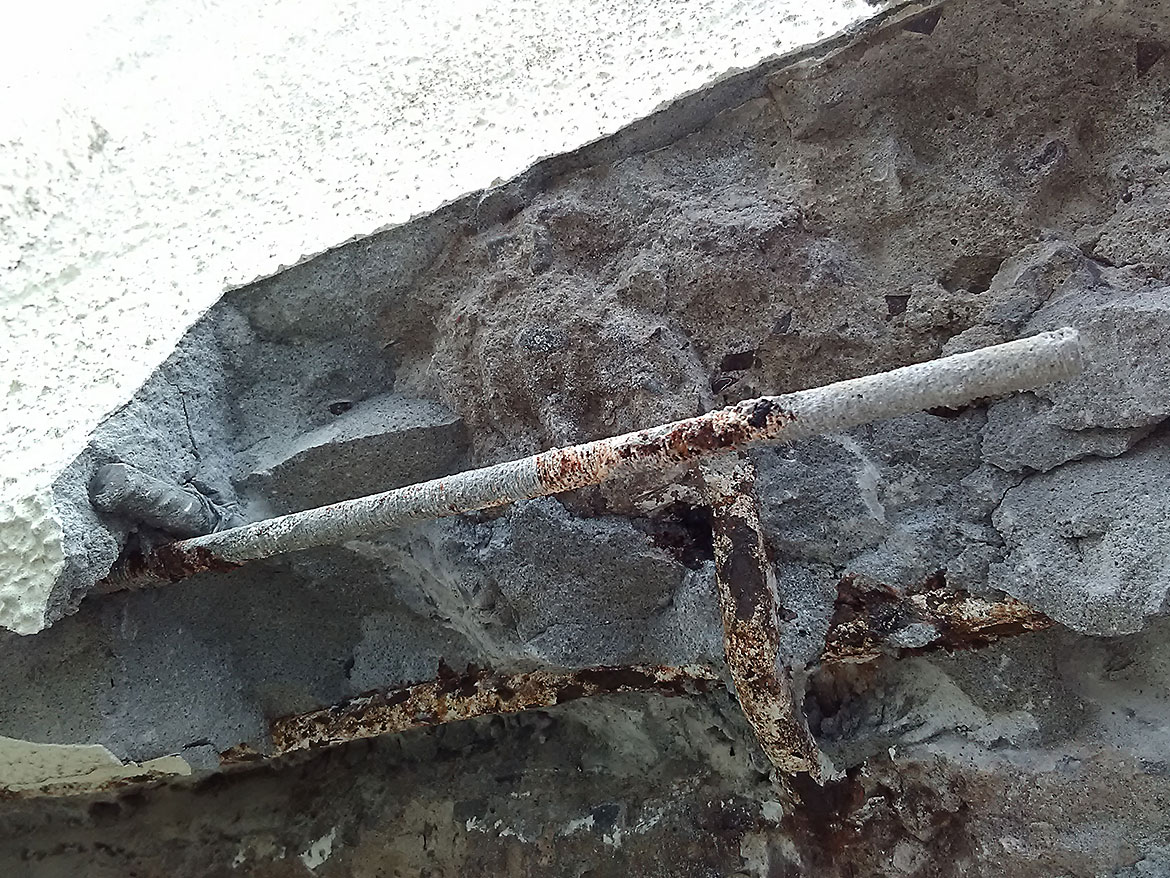
Surface concrete removed by jack-hammering along each bar to expose the underlying damaged reinforcement
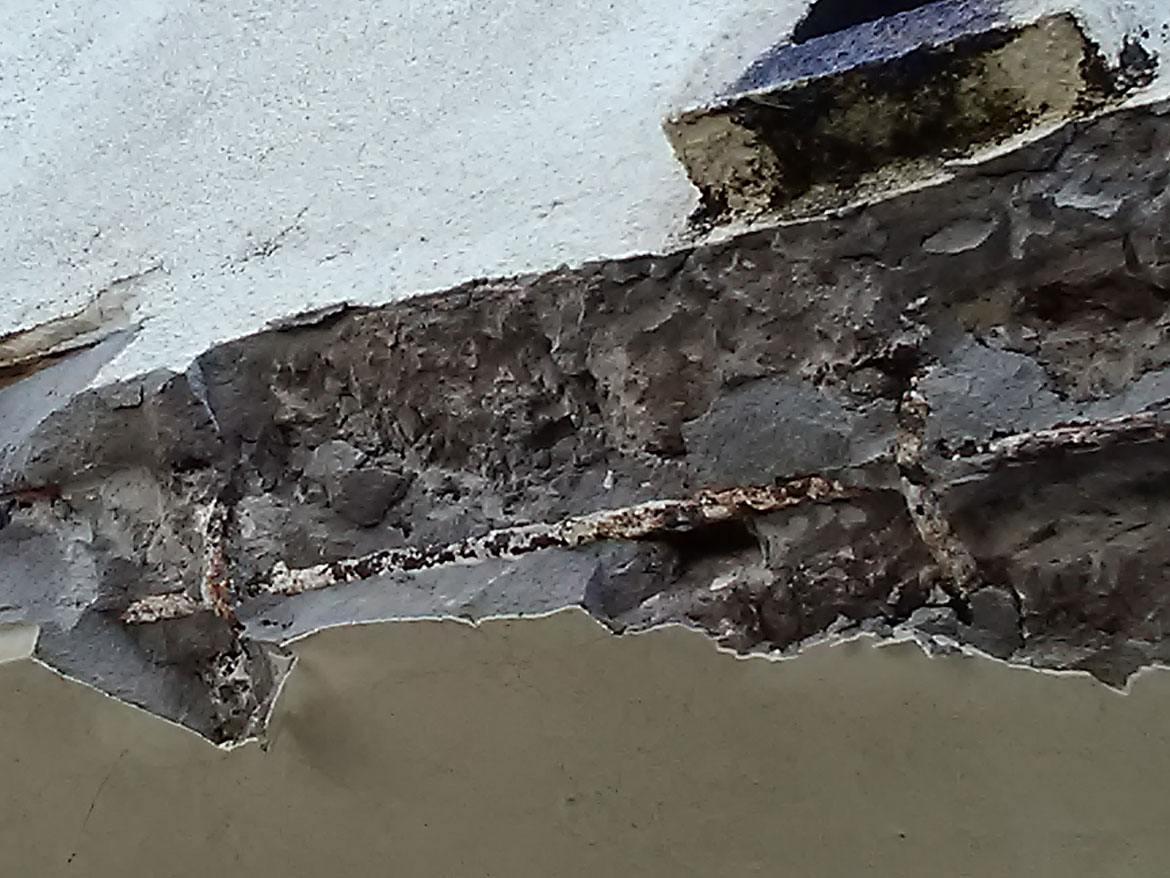
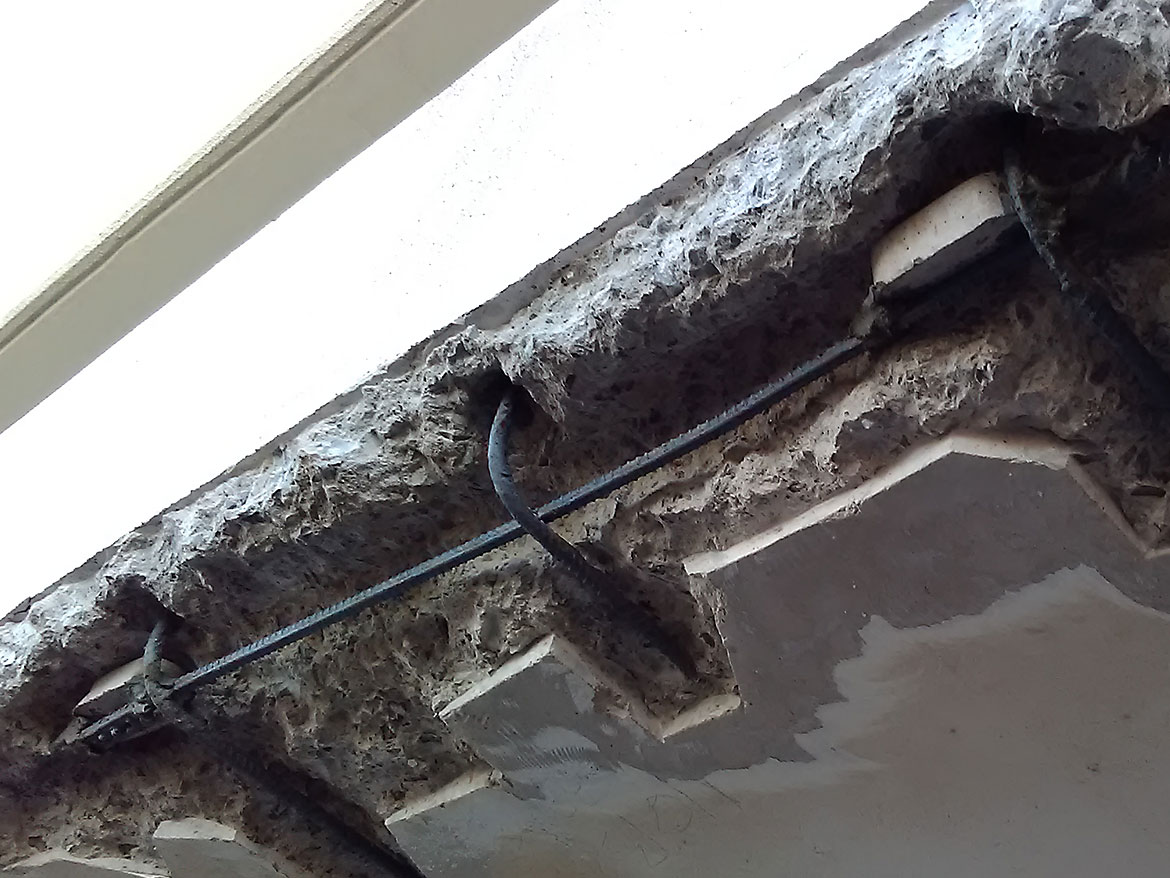
Extensive rust
Rust had crept extensively along the reinforcement — typical when an initial problem has been incorrectly patched
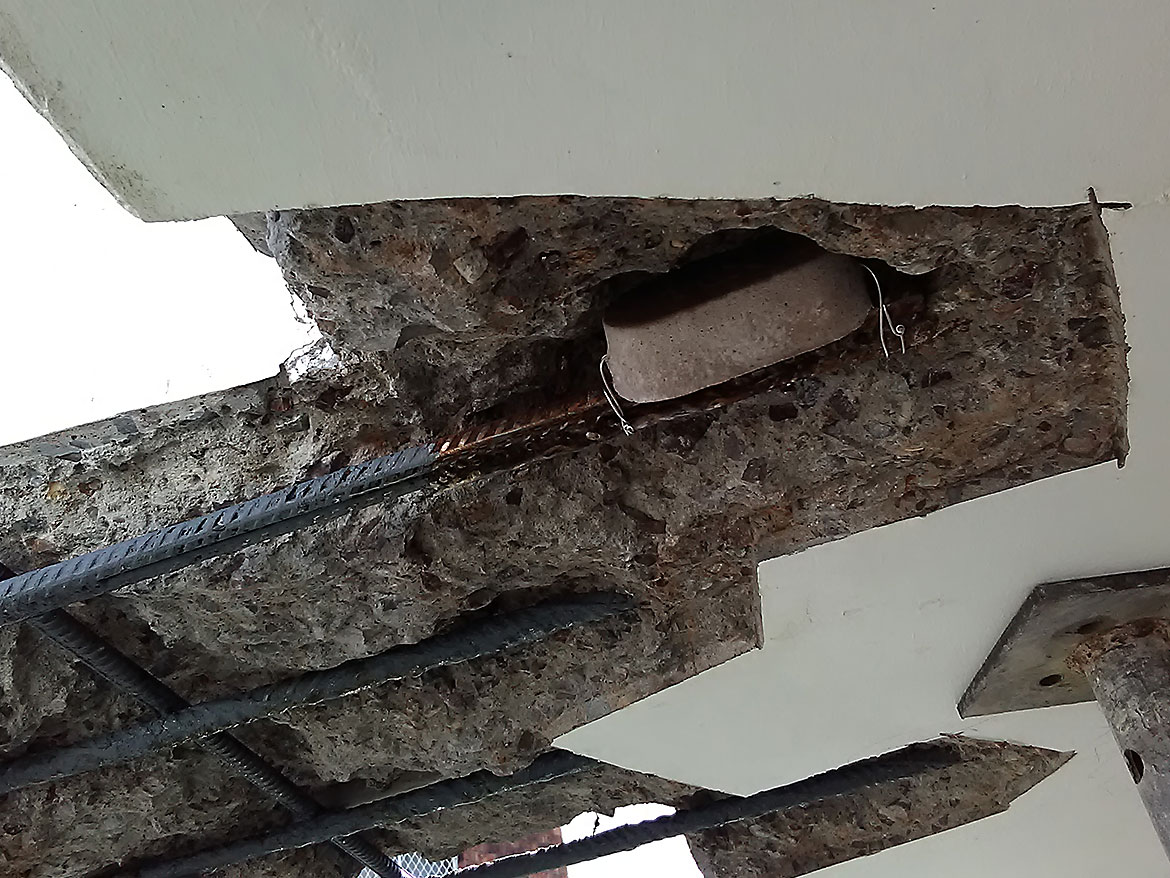
Discolouration
Discolouration of concrete itself indicates that rust is being transferred through to deeper reinforcement
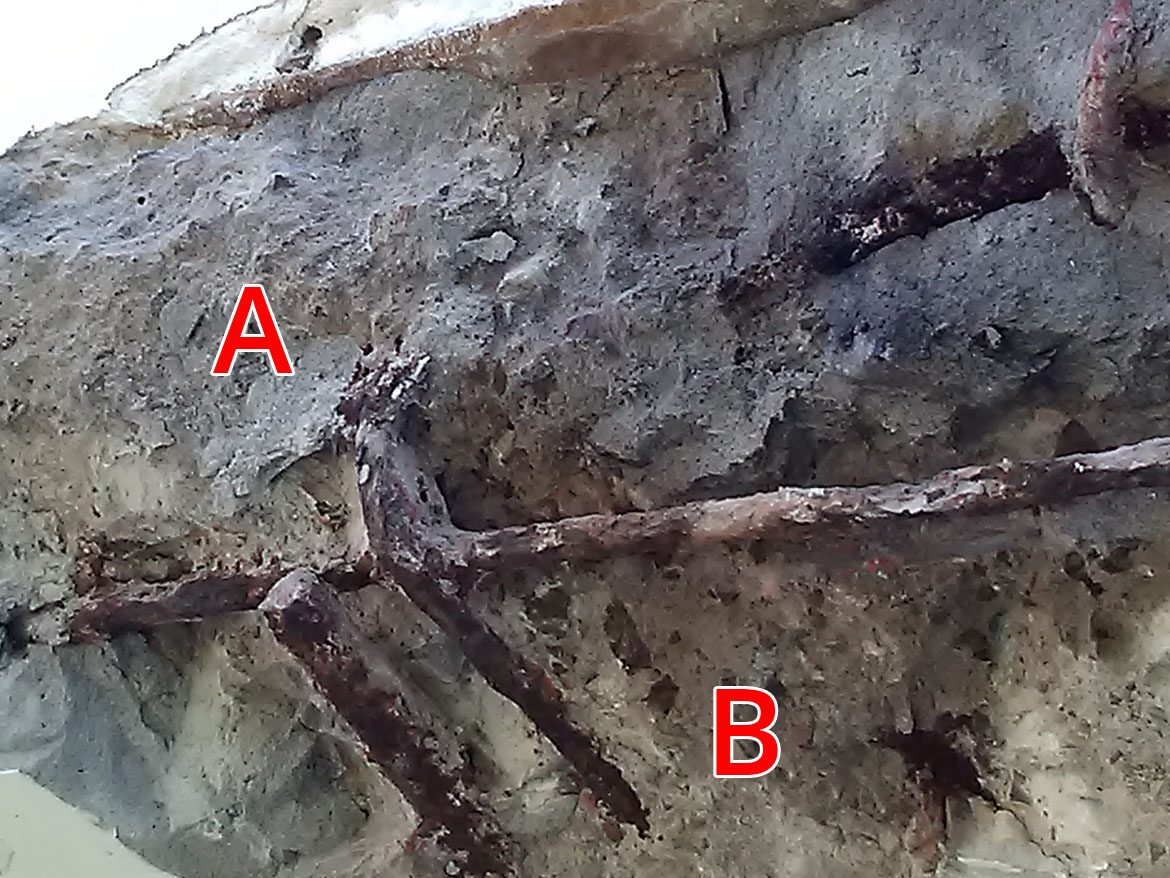
Prior repair vs original
Part A: prior incorrect repair. Part B: original concrete. Rust from A transferred along the bar into the deeper original concrete.
Lateral reinforcement
Even the lateral runners need to be exposed until 50mm of clean rust-free reinforcement is found
Phase 3
The Repair Work

Only after the true extent of the damage has been assessed can a comprehensive repair plan be formulated. At 20% loss of steel, engineering involvement is a licensing requirement.
Clean edge cut
Concrete edge cut cleanly for a better finish — new reinforcement installed where required
Cleaning rust
SCCR staff member cleaning rust from existing reinforcement before treatment
Anodes placed
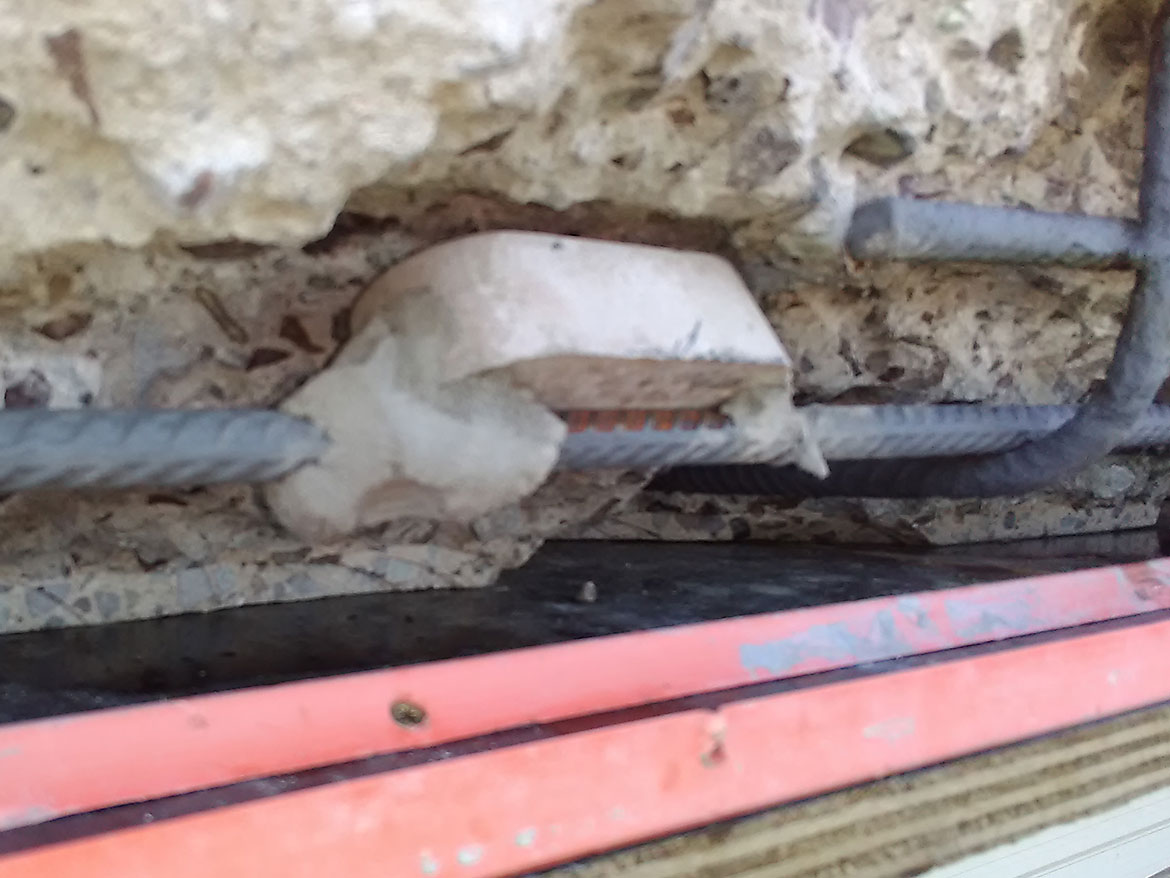
Anodes placed strategically and attached to reinforcement — providing extended life and ongoing rust protection
Acro props
During the repair process, the balcony is held up with Acro Props for structural safety
Zinc primer
Reinforcement treated with zinc enriched primer to provide extended life and protection against future oxidisation
Phase 4
The Finished Result

The repaired concrete is finished in preparation for painting — ready to provide decades more structural life to the building.
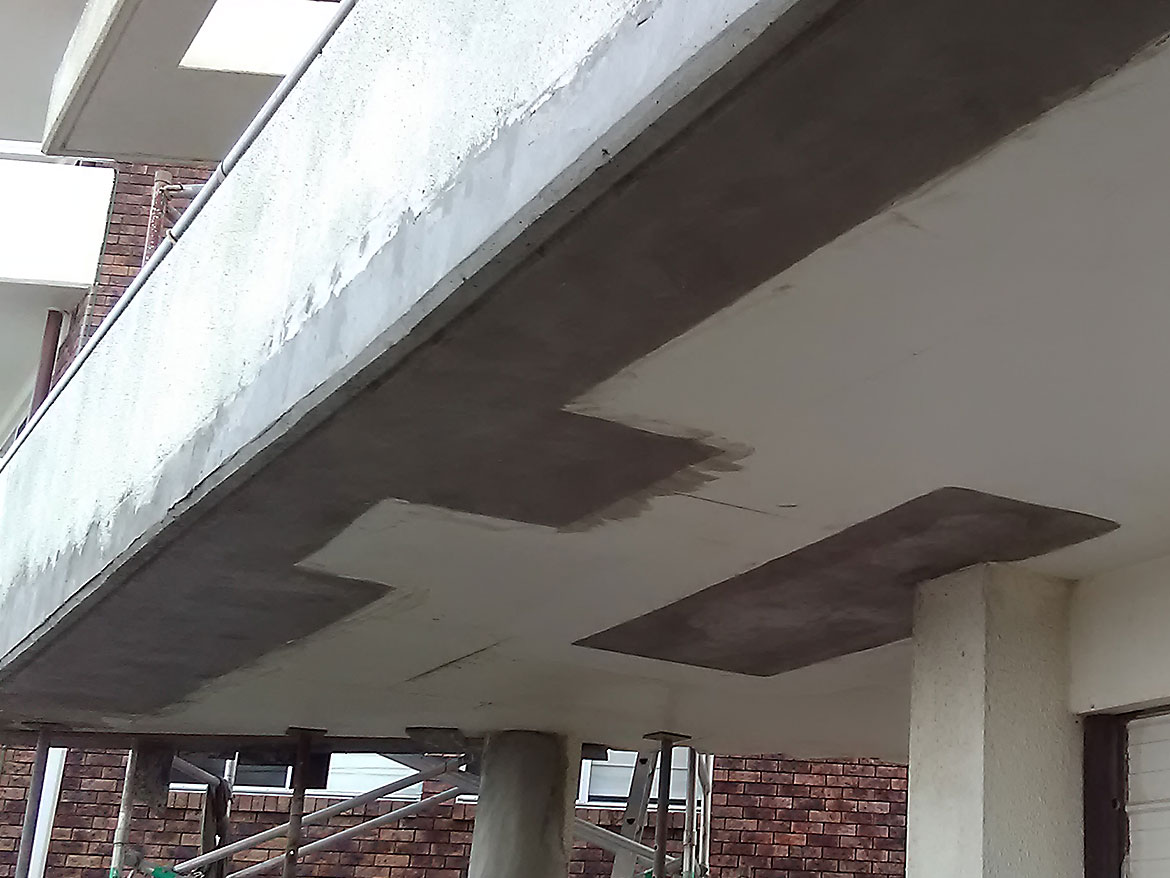
Repair mortar
Treated reinforcement and anodes packed with polymer-based concrete repair mortar — prevents moisture ingress and extends building life
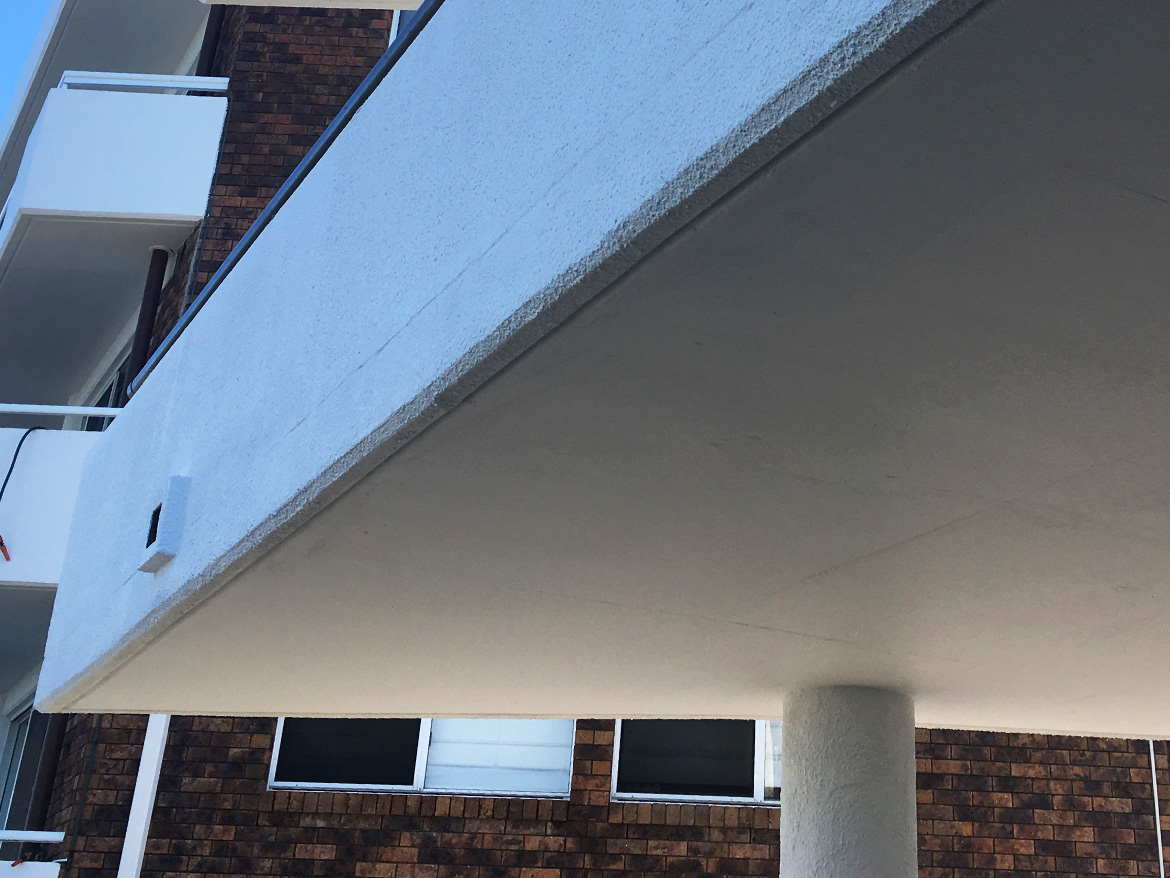
Finished balcony
Final painting with specialty coastal-grade finishes — matched to the building and providing ongoing protection
← All Case Studies Column Repair Case Study →
Don't let this happen to you

GET IT DONE RIGHT THE FIRST TIME

Contact Suncoast Concrete Repairs as soon as you see signs of concrete cancer. The sooner you act, the simpler and cheaper the repair.

Call: 0423 53 99 66 Learn About Concrete Cancer